
Founded in 1966, the Kansas City Shotokan Karate Club is best in the area for traditional martial arts, self defense, fitness, and all-around self improvement.

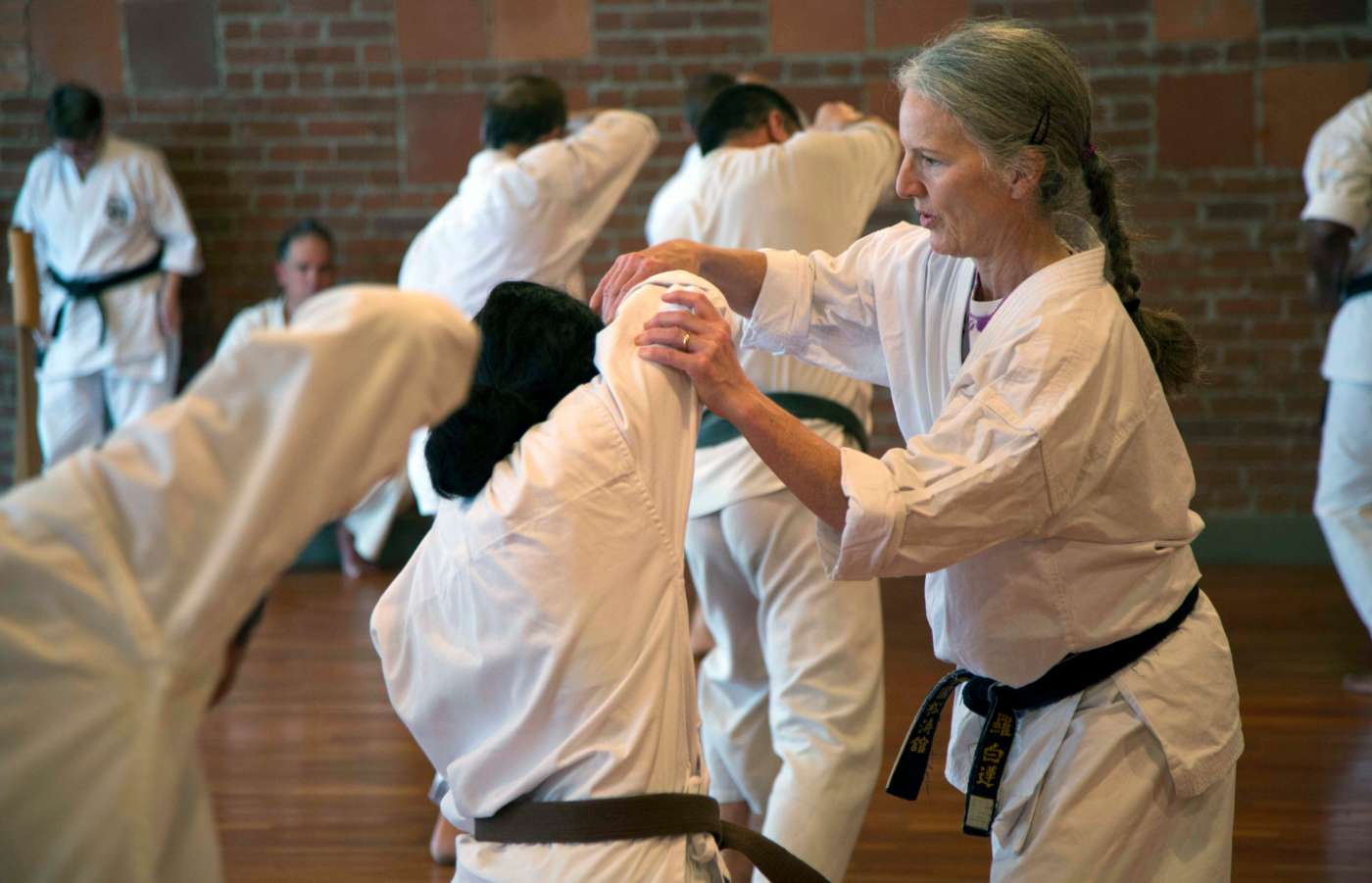

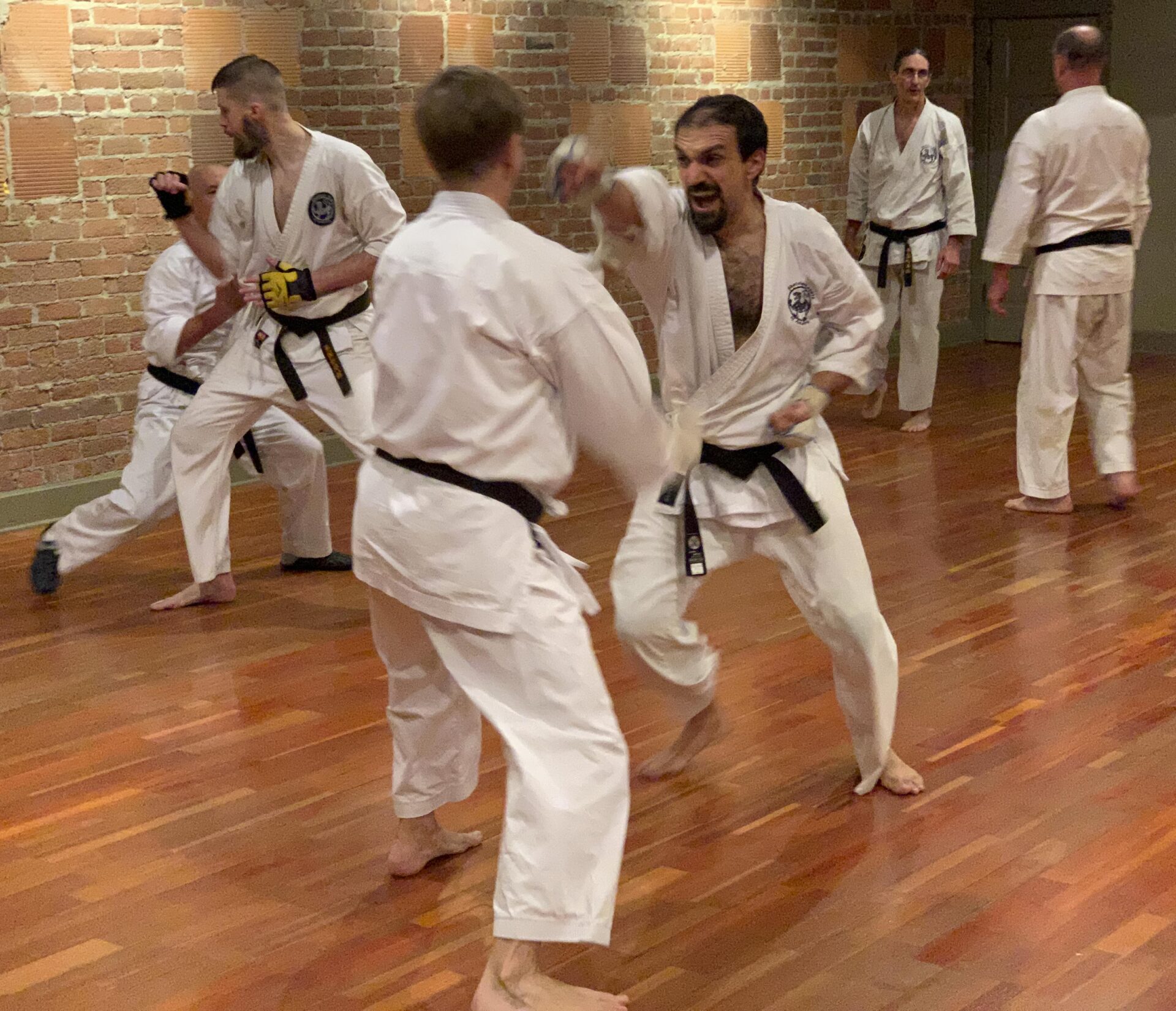
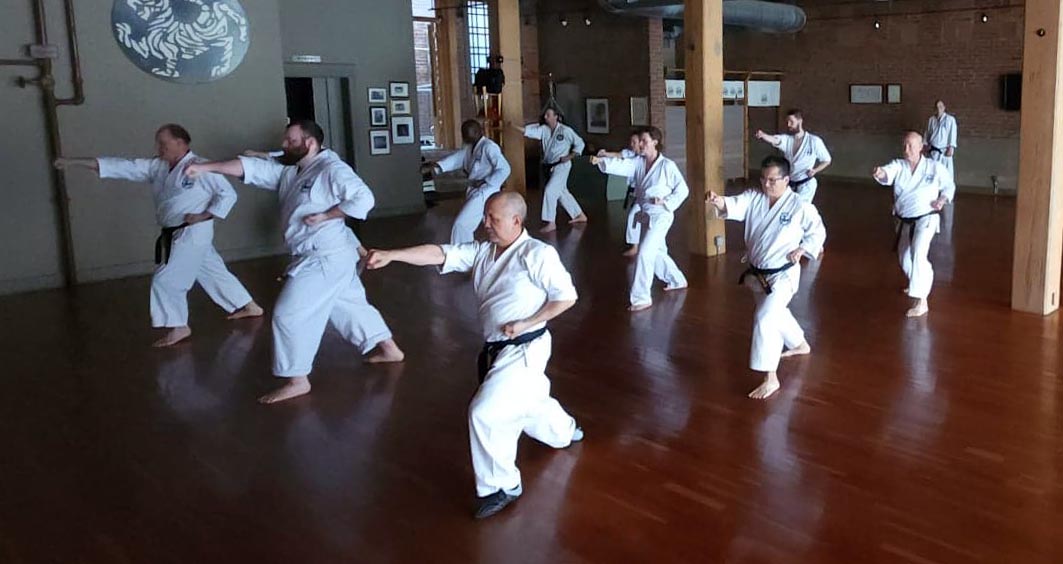
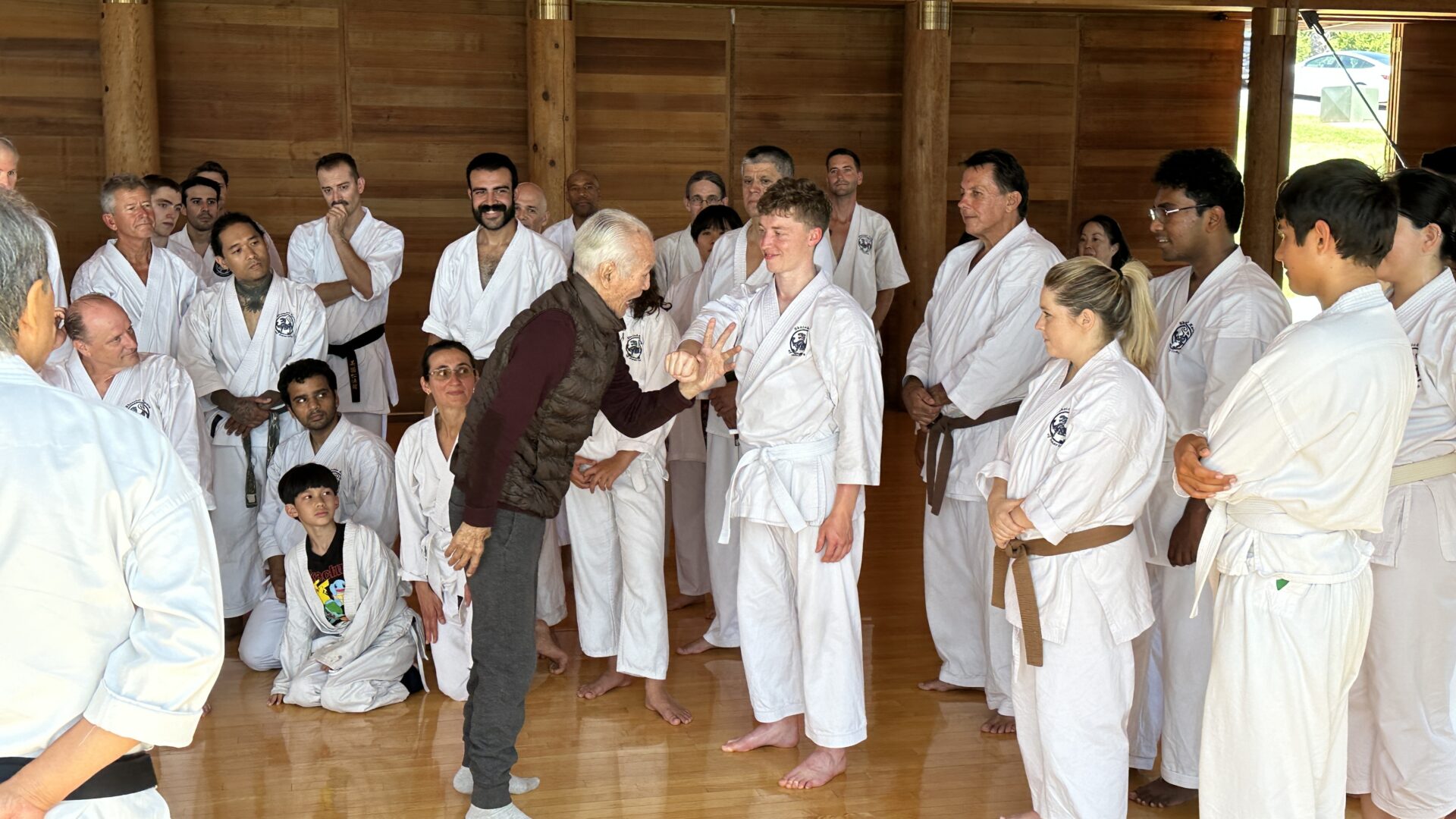


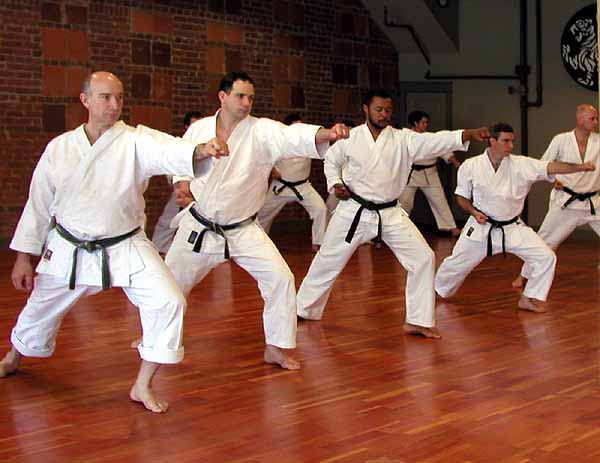
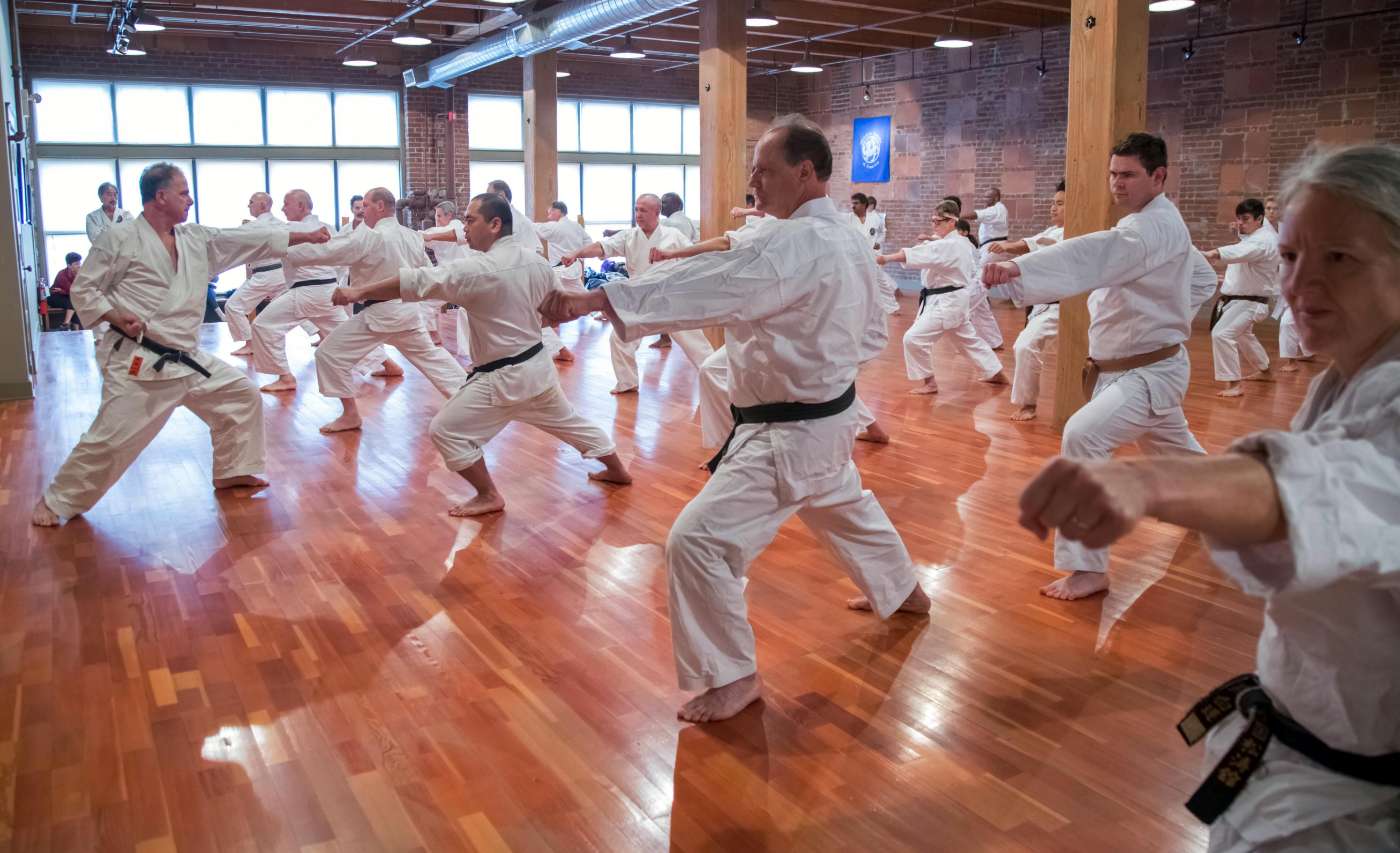
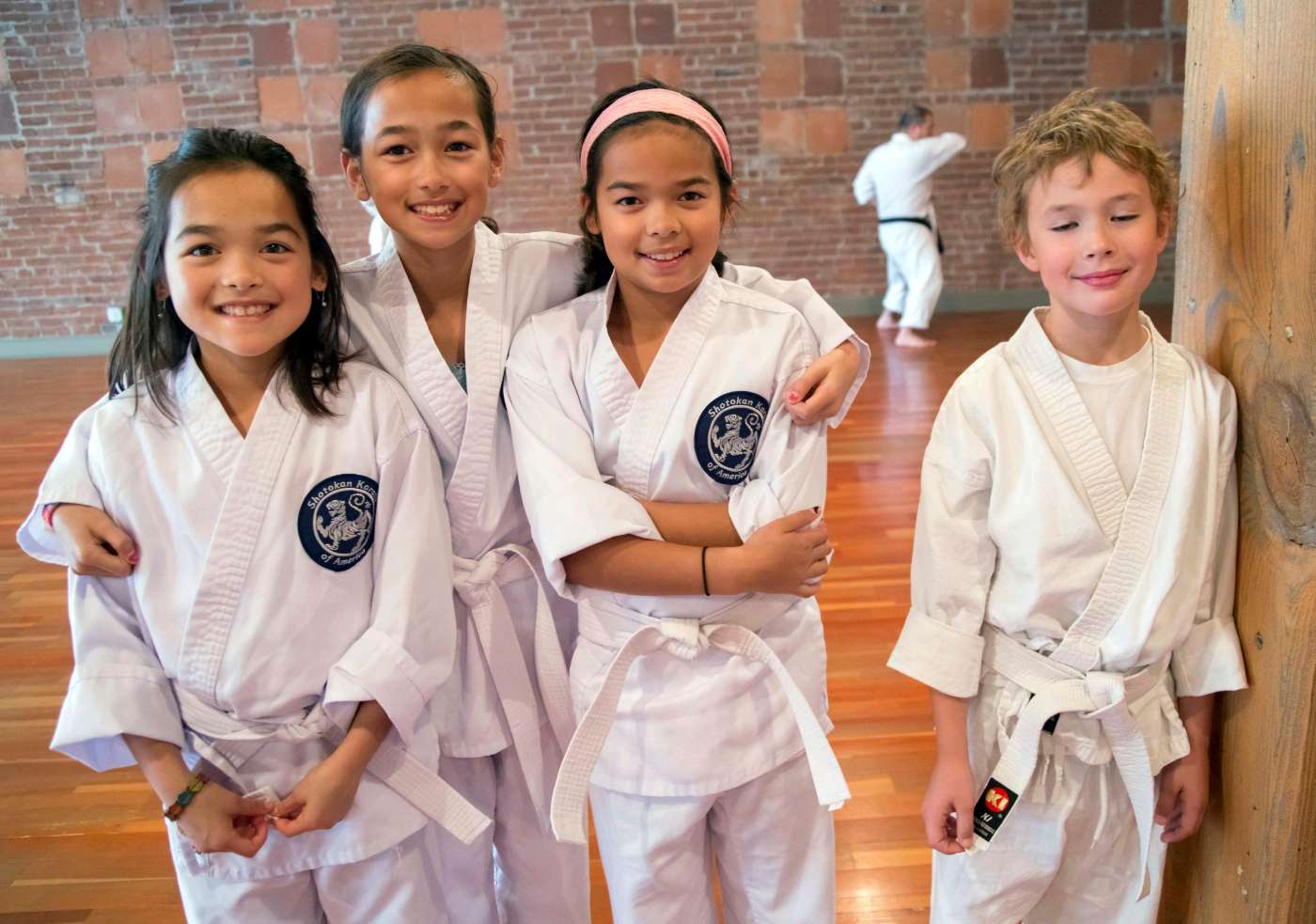
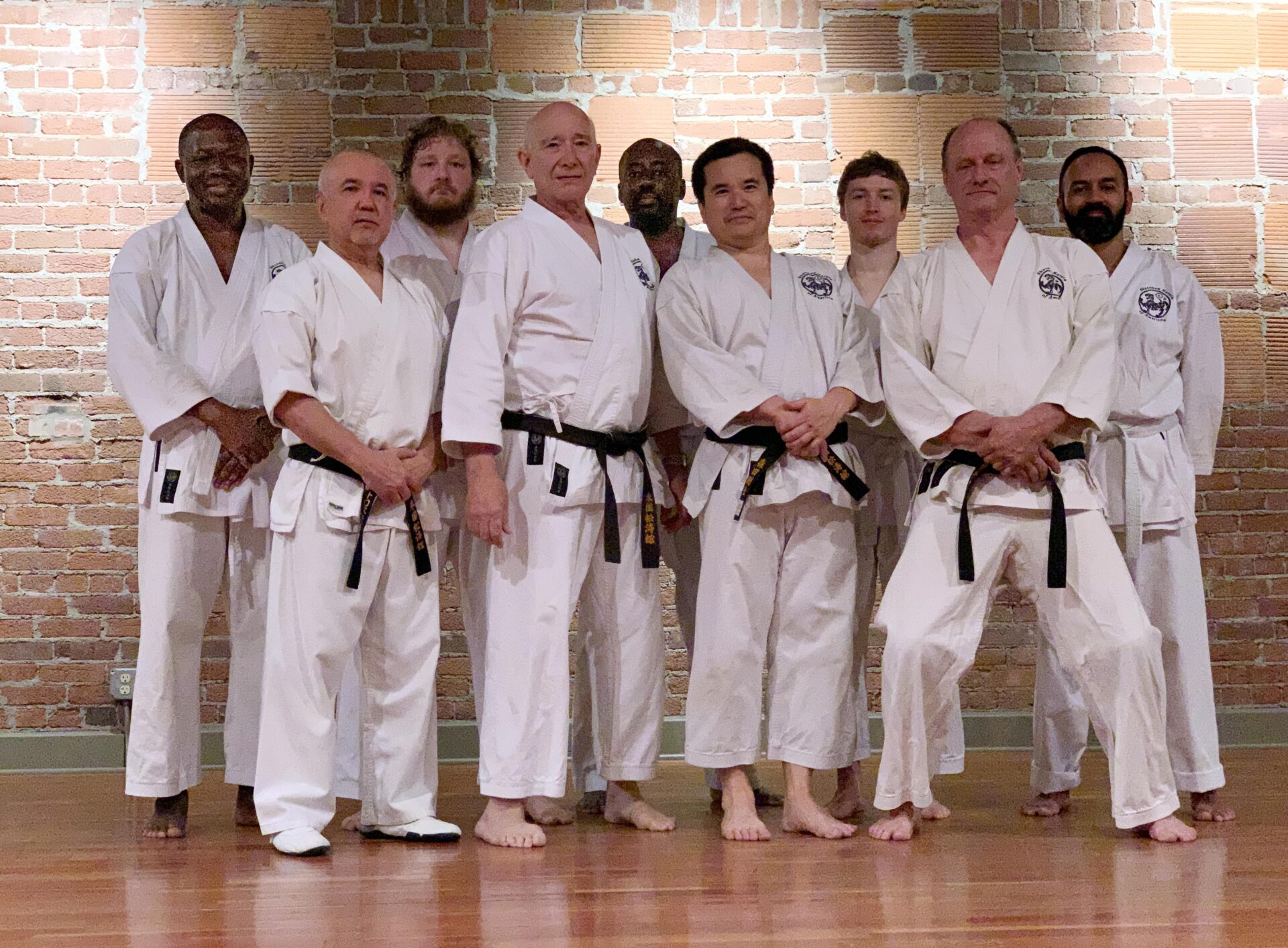
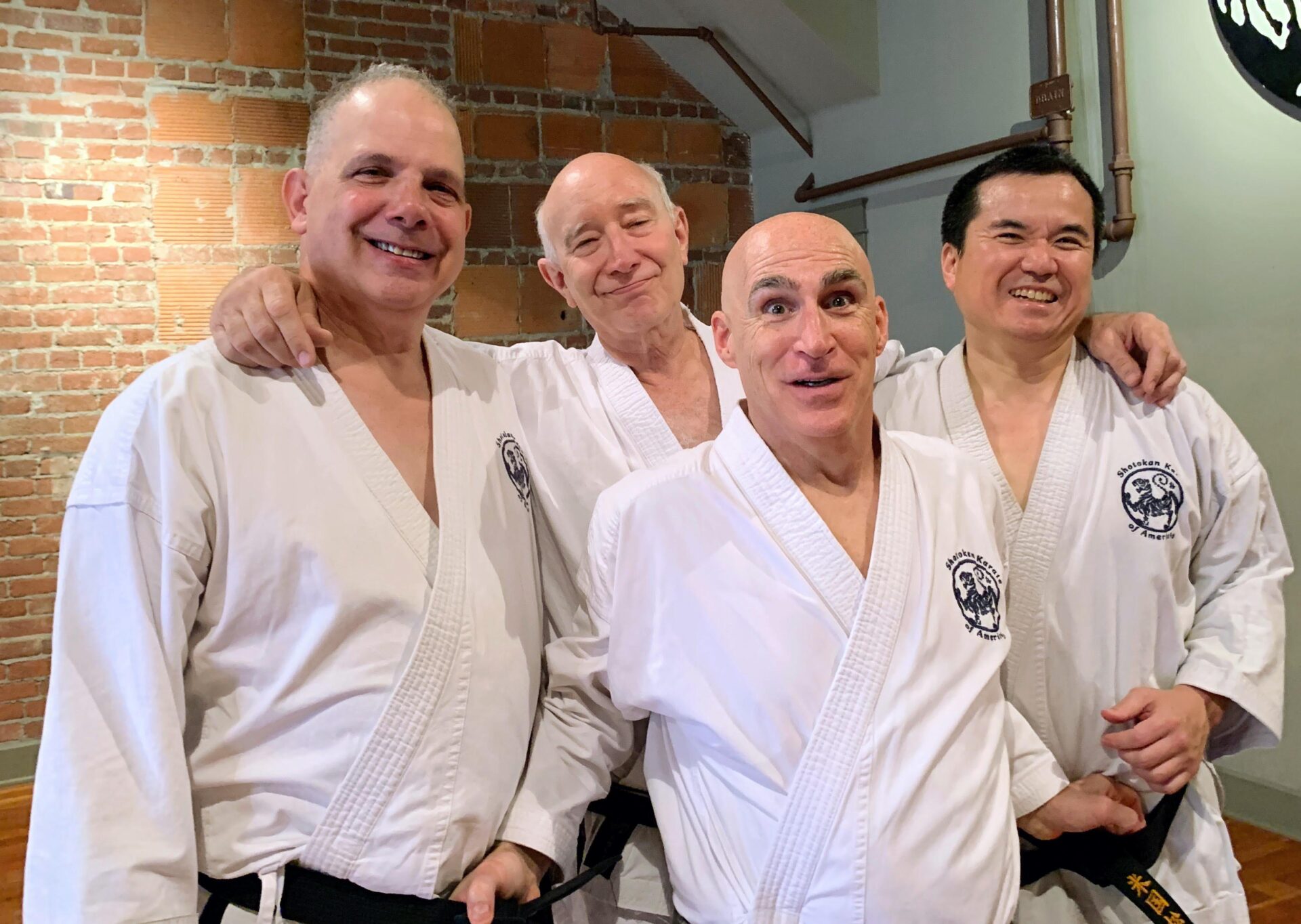
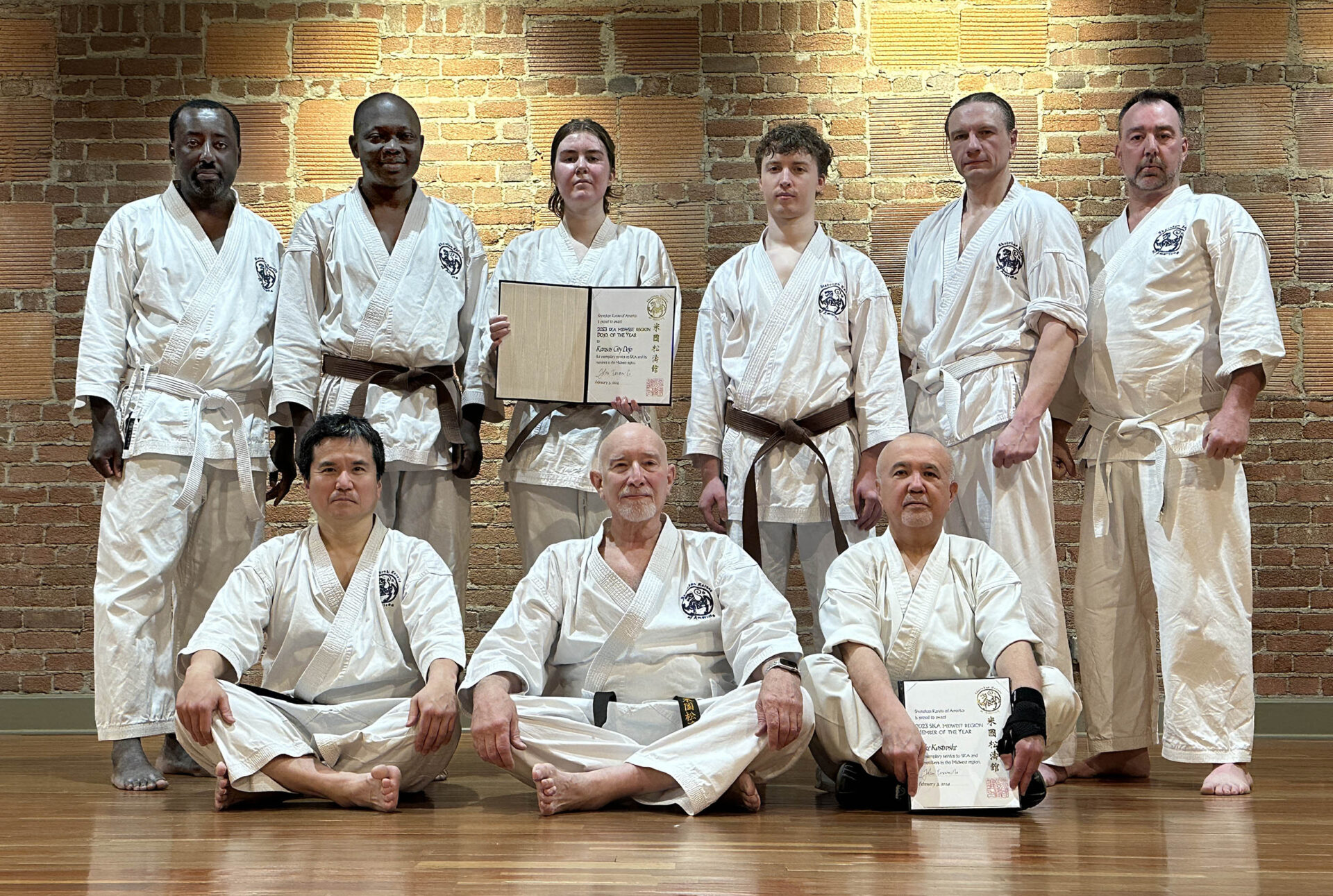
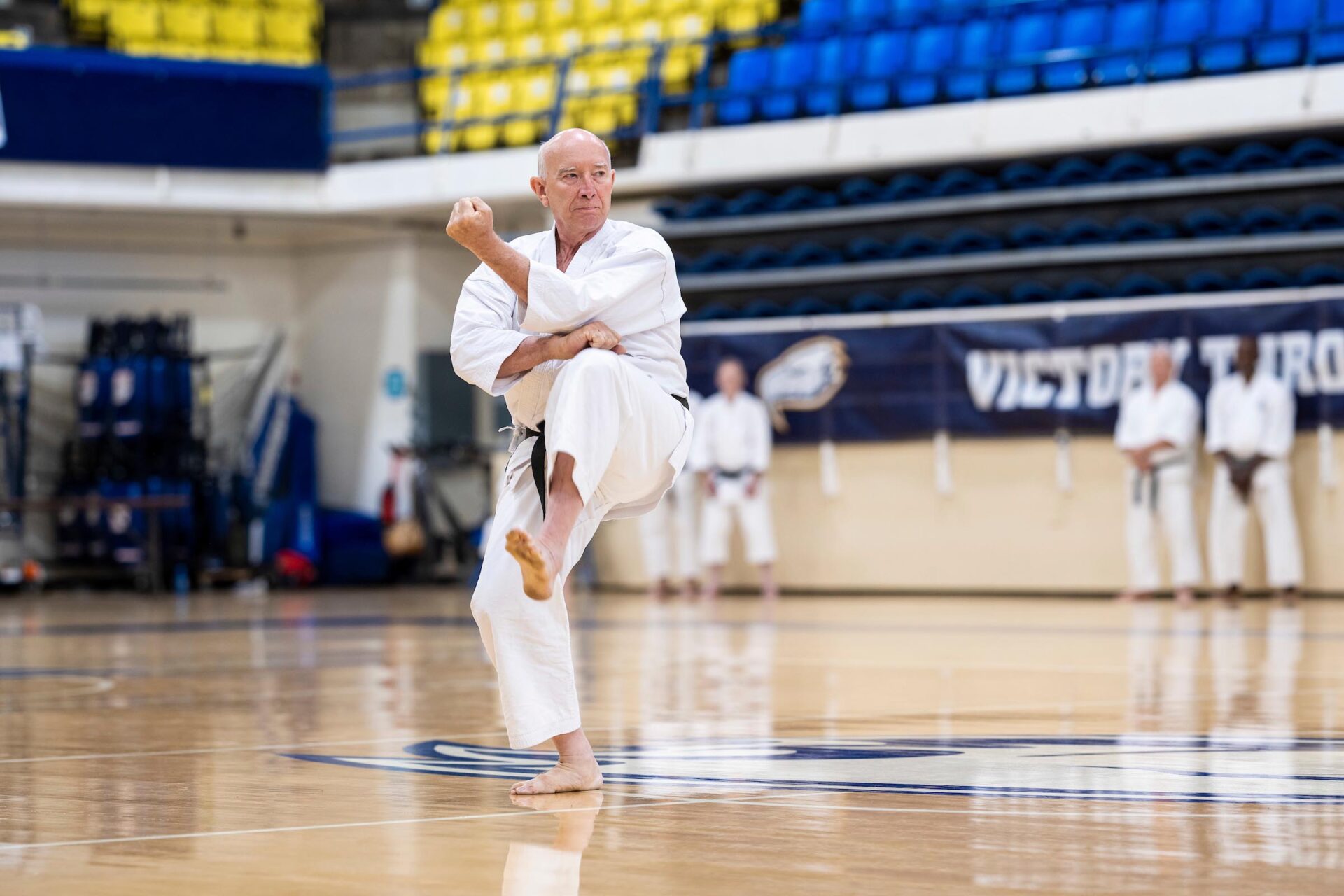
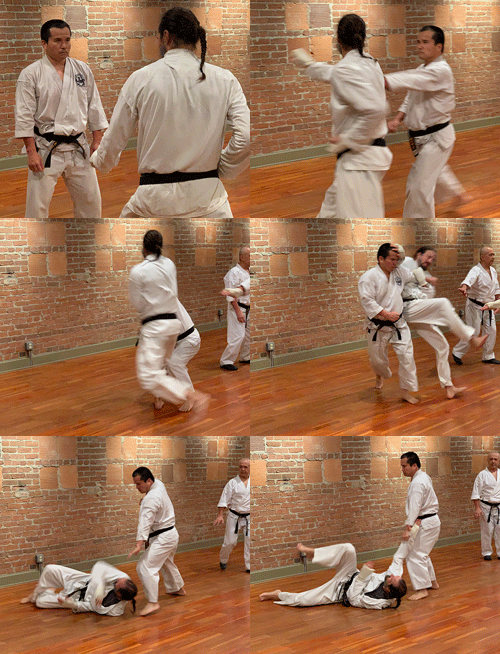

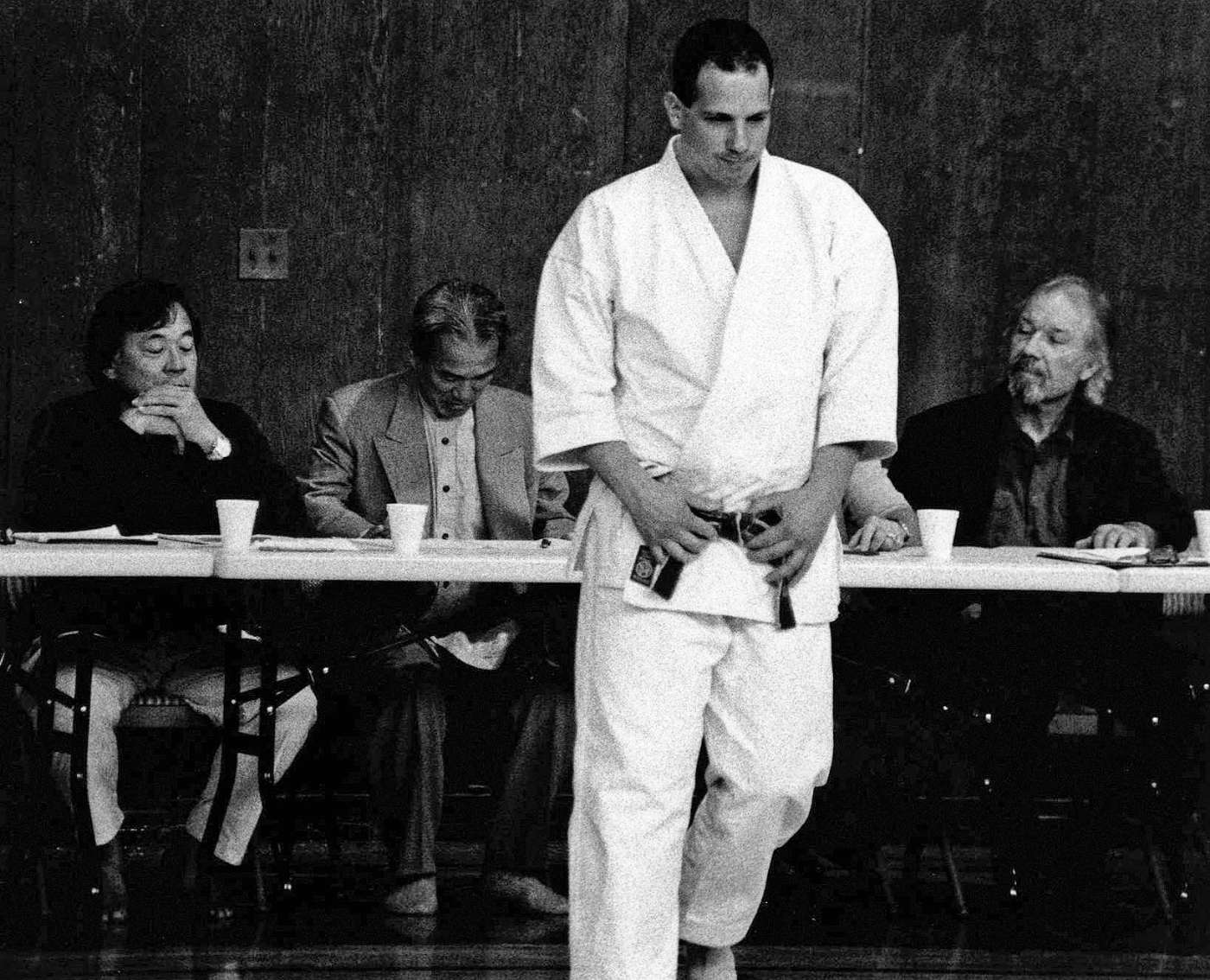

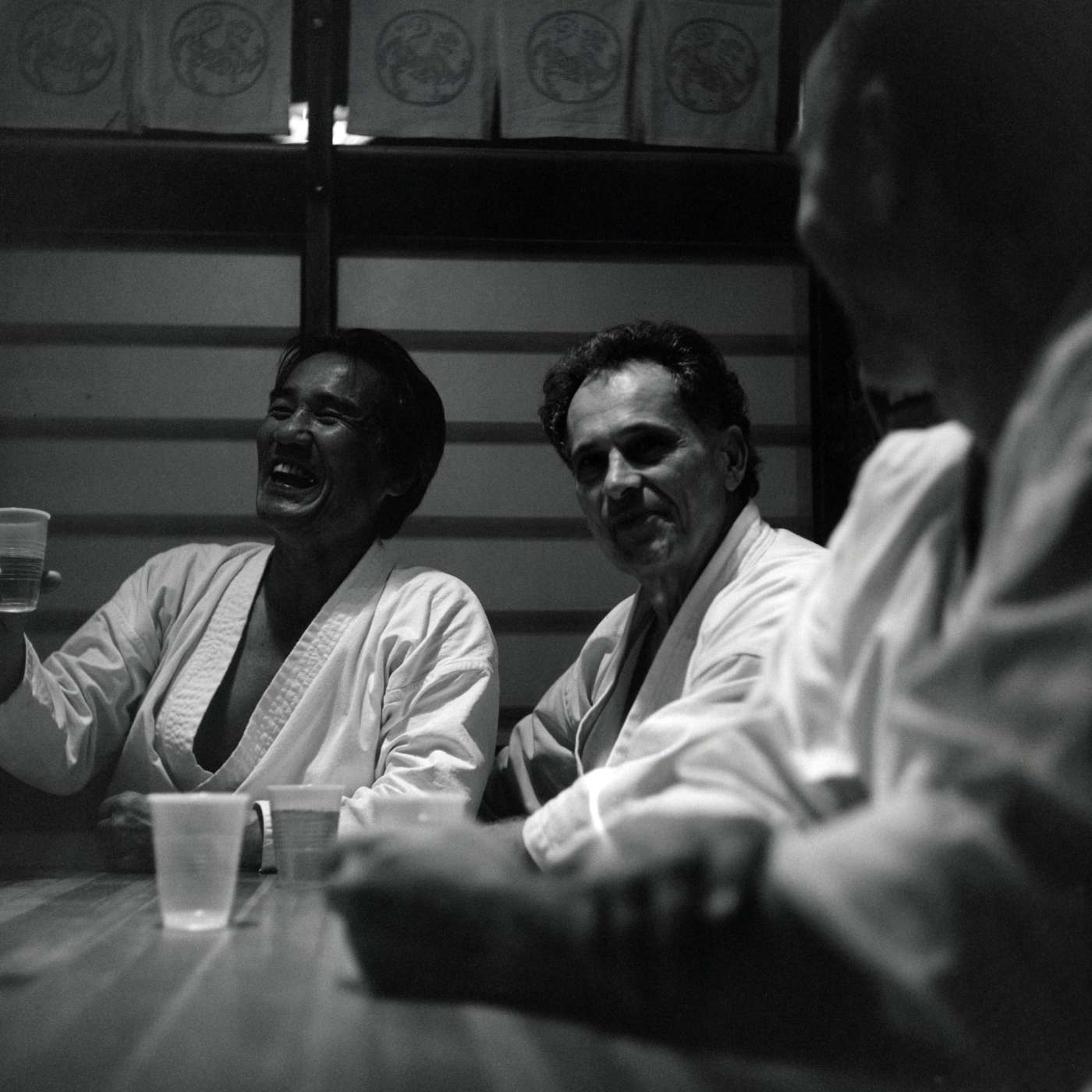
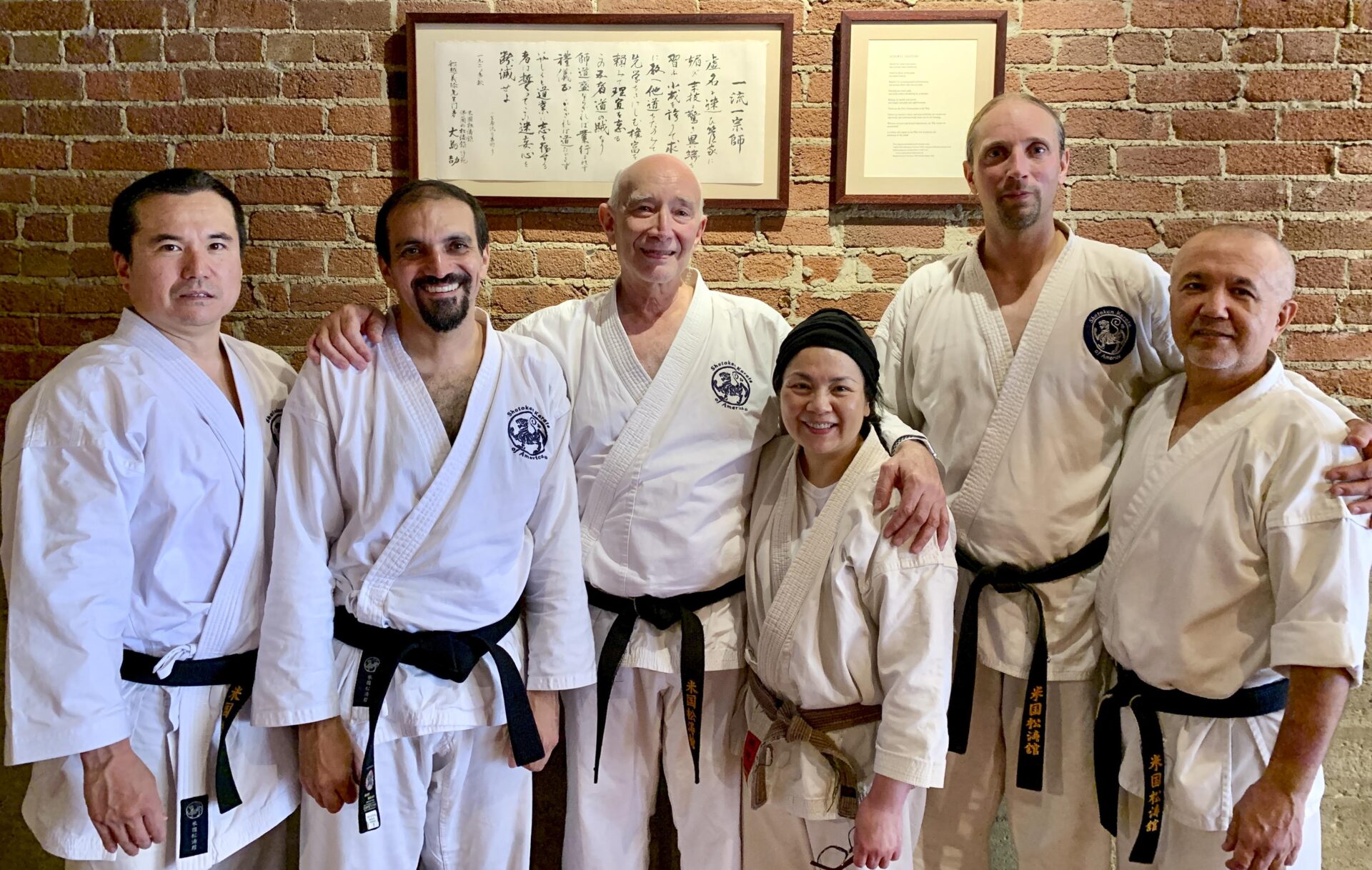
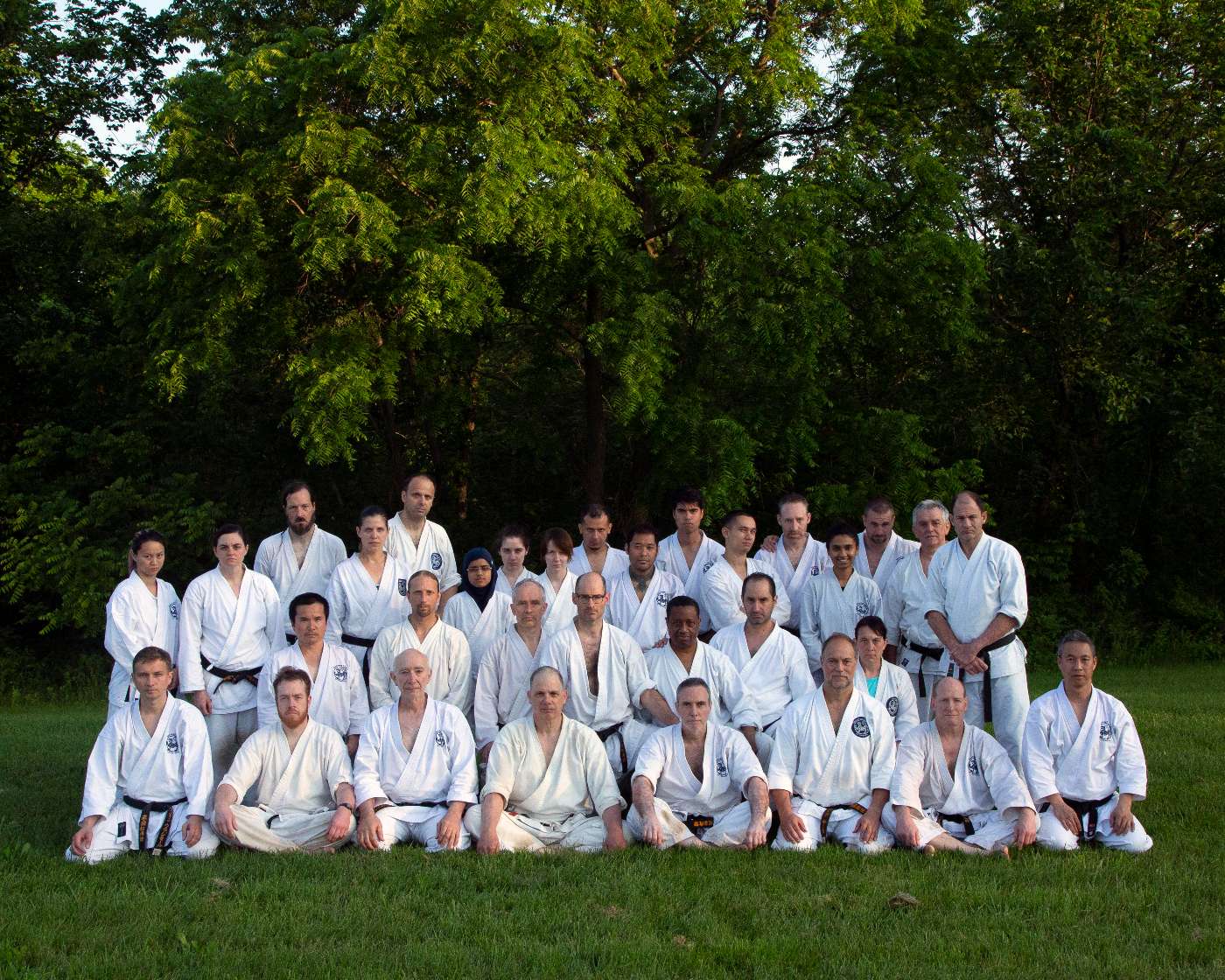
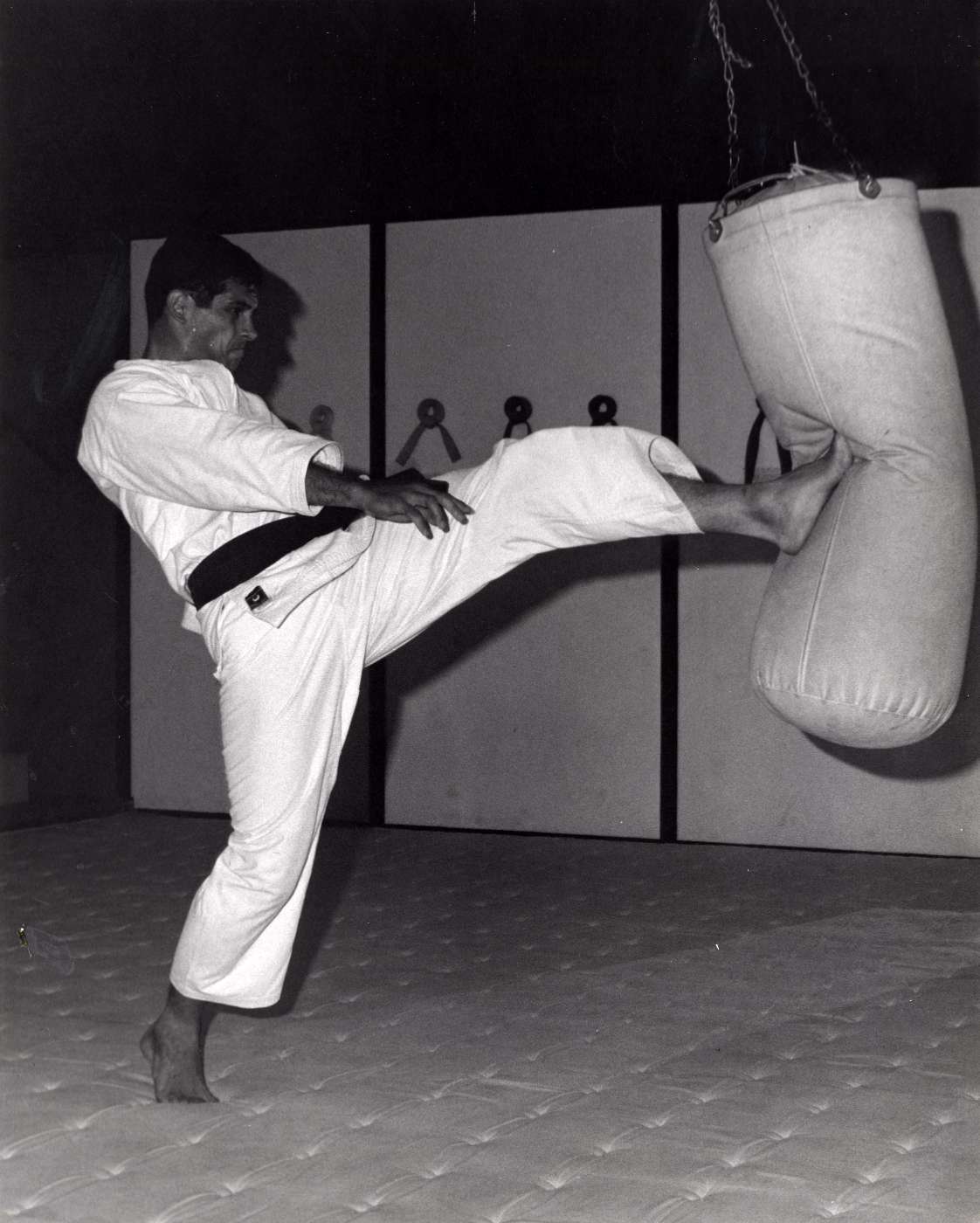
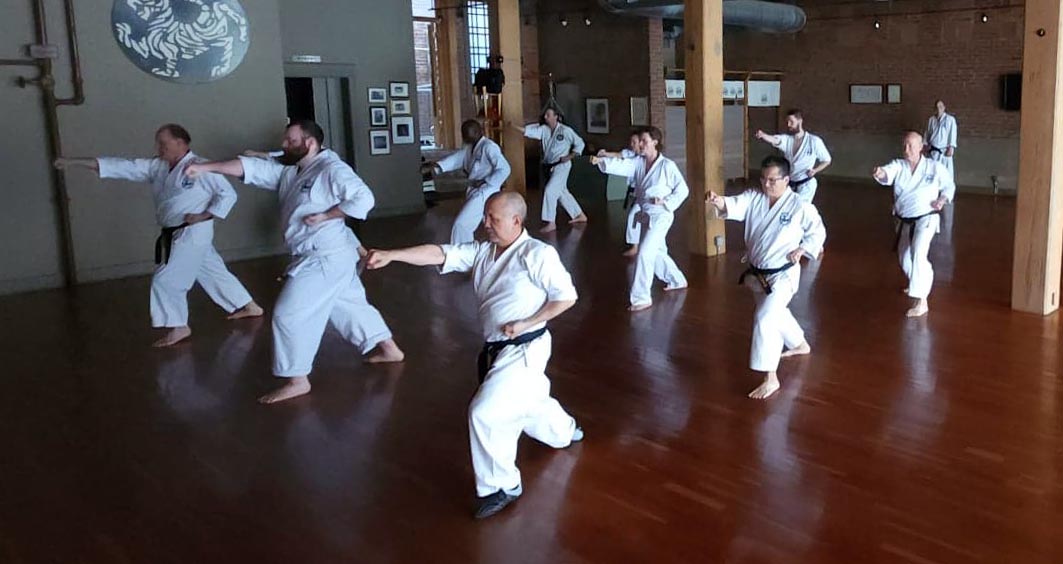
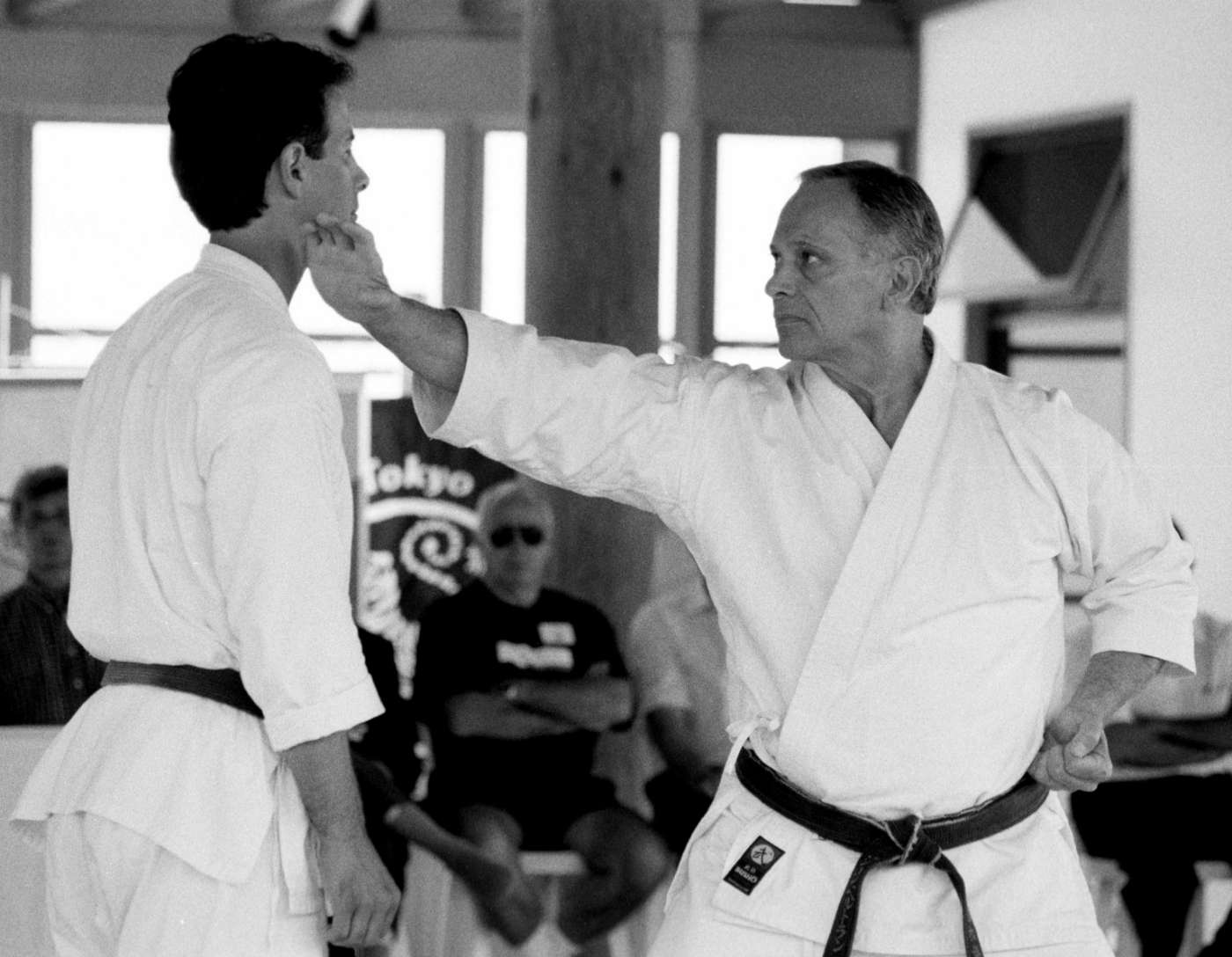
Our Mission: “To preserve, perpetuate and advance the legacy of Shotokan Karate for the betterment of the lives of those who train, and to contribute positively to human history.“

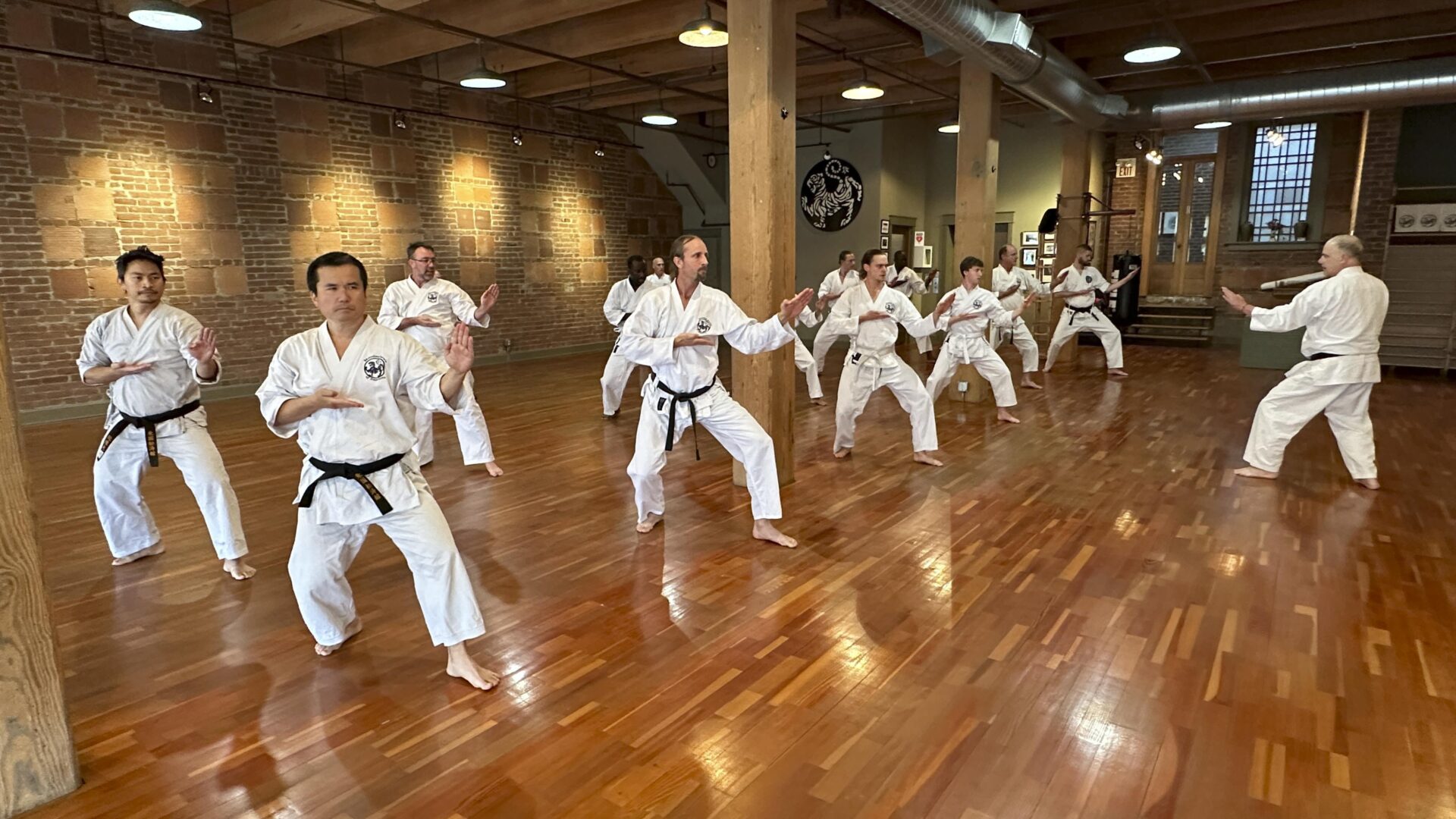
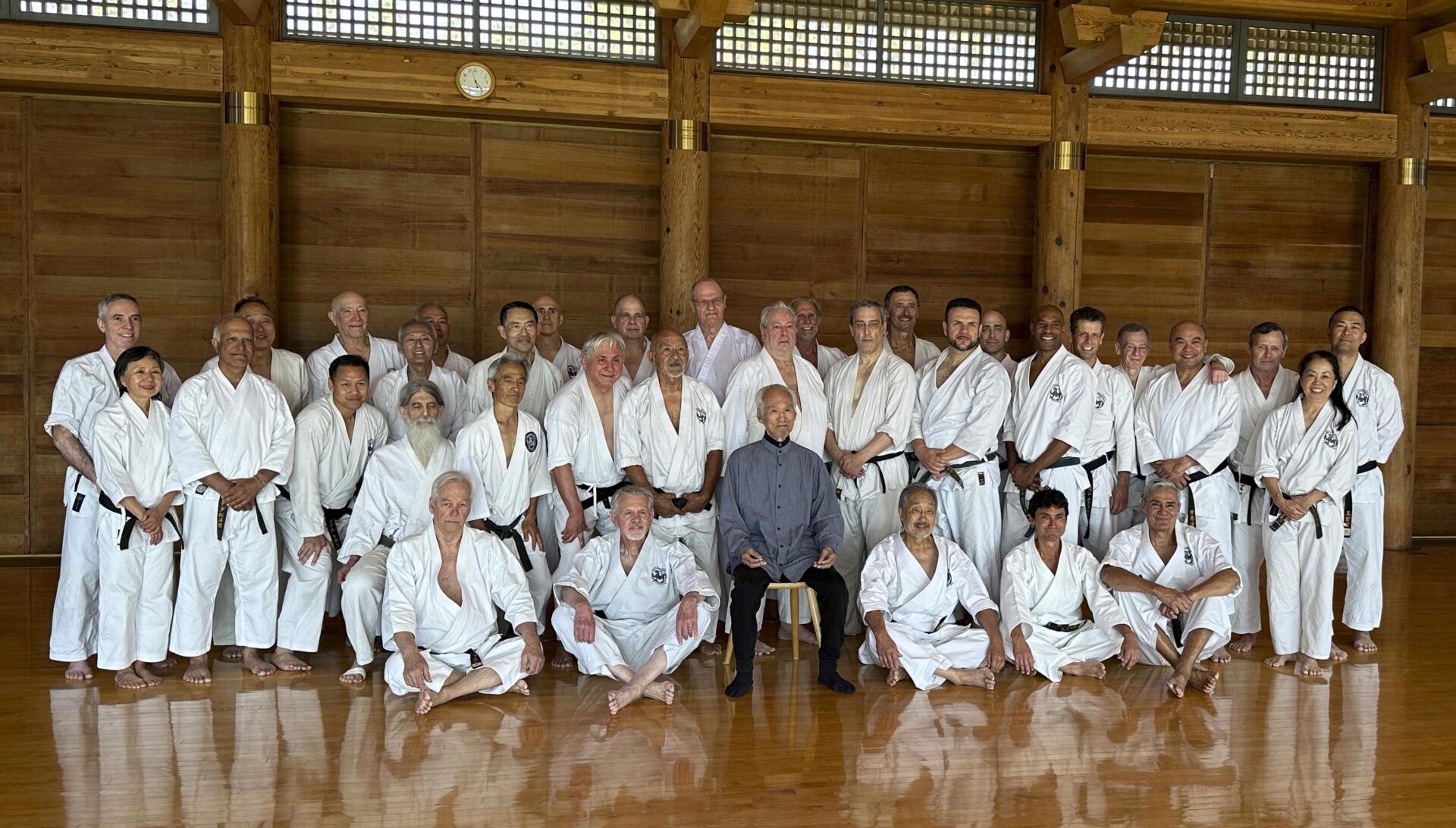
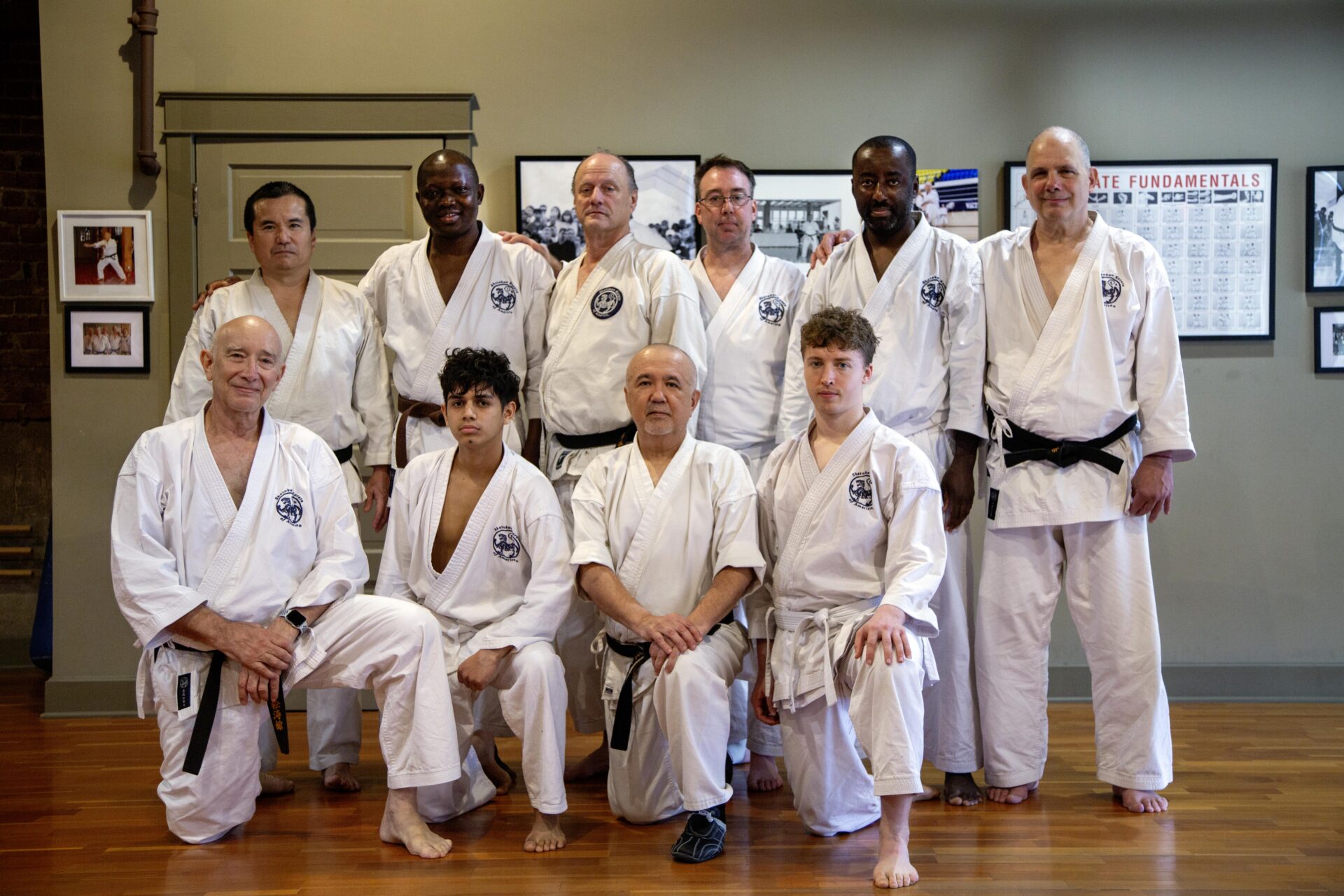
We aim to build strength of mind and body with emphasis on self-confidence, willpower, character, and the ability to defend oneself in time of conflict.
60-second video by David Lightner and Eric Manuel from around 1998
The Kansas City Shotokan Karate Club:
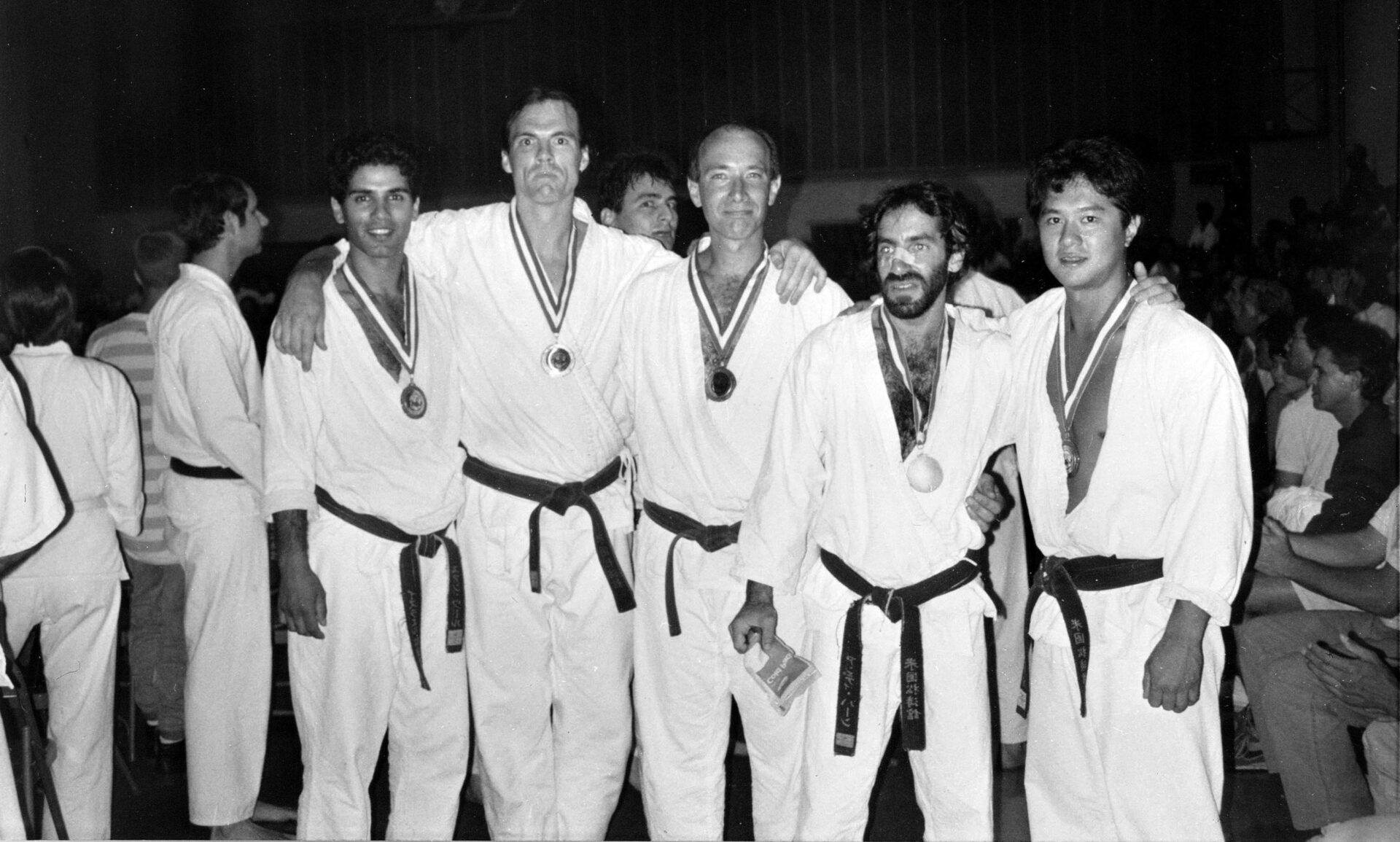
- Started in 1966, we are one of the oldest martial arts groups in North America.
- Winner of SKA’s National Dojo of the Year award (2016).
- Highest caliber martial arts and self-defense instruction.
- Senior instructors have a minimum of 30 years’ experience.
- No experience is necessary. Anyone 16 years of age or older is welcome to join in karate practices. You may observe or participate (much more fun!).
- No long-term contracts – join SKA then pay month-by-month as you train (COST).
- No charge to test or pass any rank.
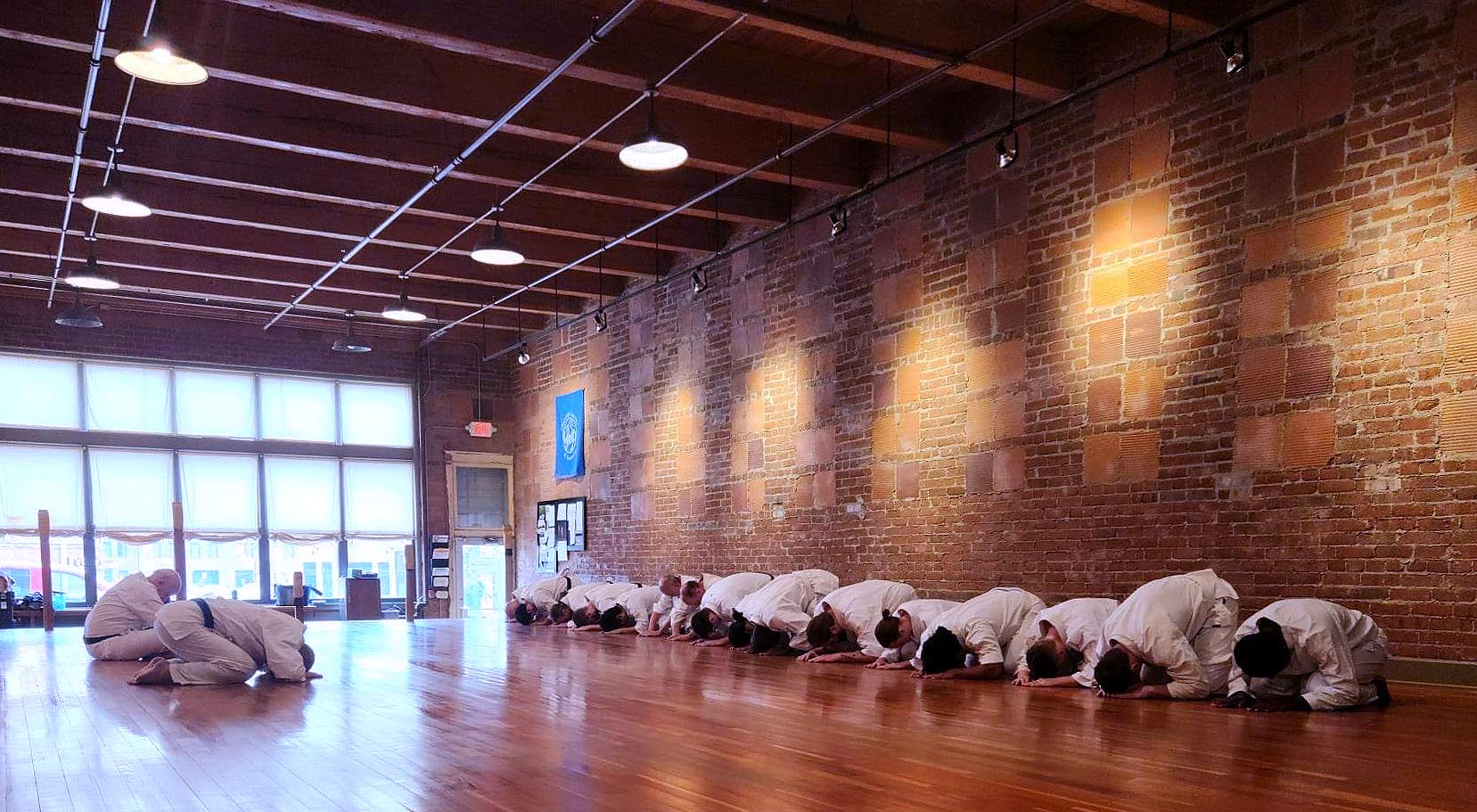
- Approximately 2,800 square feet of natural wood floor suspended on thick rubber shock absorbers, it feels great!
- Separate men’s and women’s shower and dressing areas.
- Punching bags, maki-wara and Olympic-style Judo / Aikido style tatami mats.
- Beautiful tea room and library.
- Free parking in our lot behind the building (2027 Washington St, Kansas City, MO 64108).